Thursday, February 24, 2022

5 Common Questions about Migraines | Named Patient Supply

 
Named Patient medicine

1. What is a Migraine?

Migraine is characterized by moderate to severe throbbing pain in the head (usually on one side, but sometimes both), often including nausea, dizziness, tingling or numbness of the face, visual disturbances, or sensitivity to light, sound, or smell. it occurs. They can happen as often as per week. Each person can have their own combination of symptoms, and they can change from one migraine to another. AlleviareIndia helps to import medicine under named patient program. 

2. What causes migraine?

While no one knows for sure why migraines happen, new treatments target a specific protein that appears to contribute to migraines. Migraines are more common in women, which suggests that hormones such as estrogen may play a role. A genetic link may also increase your risk, as migraines tend to run in families. Researchers continue to search for the root cause of migraine.

3. Will the migraine get better with time?

The good news is that most people with migraines have fewer headaches as they age. But it's not guaranteed, which is why your doctor will likely recommend treatment now rather than waiting.

4. Are migraines damaging my brain?

No, migraine headaches, even if they are severe, do not cause any damage to your brain or head.

5. What is the best treatment for migraine?

Fortunately, there are many medications available to treat headaches. But while every medicine is right for someone, one might not be you. Your doctor may want you to try several different medicines to find the right one. AlleviareIndia provides helps  to import named patient medicine. 

Although there is no definitive test for migraine, neurologists and headache specialists can help you sort through your headache symptoms, severity, frequency, and other characteristics to determine if a migraine is the correct diagnosis and recommend a treatment plan. to do.

Monday, January 31, 2022

5 Reasons Why Covid Waves Keep Attacking | Pharmaceutical Consulting Companies


Named Patient Program in India

Waves and assaults of COVID 19 have turned into the new ordinary. Yet, we should comprehend that each wave is more irresistible and deadlier. The third influx of this infection is inescapable. How huge or little, nobody knows yet. Everybody is attempting to make a savvy surmise yet essentially they are on the whole theories. Here are the couple of motivations behind why we think Covid-19 3rd, 4th,6th… .. waves are unavoidable:

1. Debilitated Immunity by New Virus

The Virus transforms over a period because of different human and ecological variables that are once more, obscure. What's more Each Virus change is somewhat divergent in its contagiousness and seriousness. Also every time this infection hits our body, we can produce a few antibodies to battle it. The issue is that given sufficient opportunity, this infection can make an adequate number of forms of itself that can then as of now not be affected by the antibodies that were made while battling the previous variations. AlleviareIndia helps hospitals to import medicine under named patient program. 

2. Slow Vaccination Rate

The world is a huge spot with over 7.8 Billion individuals and inoculating every one of them is a long and drawn-out task . And keeping in mind that we are attempting to inoculate every one of them, the infection is likewise tracking down better approaches to make due. Over the most recent a half year, just around 12% of total populace has been completely immunized and under 25% individuals have been to some extent inoculated. Going on like this, we will require around 3 years to immunize the total populace. So it is easy to envision that when we can inoculate every one of, the actual antibodies may get obsolete to battle the more up to date more remarkable transformations. It doesn't imply that we don't immunize, which will most likely shield us today, yet it really intends that there may be fresher immunizations needed as we head into the following ten years. Pharmaceutical consulting companies imports named patient medicines on patient needs.

3. Lockdown Openings and Complacency

We can't remain in a lockdown perpetually, however the openings need to accompany substantial admonitions and clear directions to guard ourselves. Furthermore the residents additionally need to volunteer to instruct themselves and stay on high alert to endure the pandemic and guarantee that the transmission is ended at the initial step itself and we don't allow the infection an opportunity to transform our bodies into a host for change.

4. Kids

Kids are not inoculated, there is no probability of them having these chances at any point in the near future. The center is to get grown-ups inoculated first so we can get the economy on target. That may be the correct thing to do given the hit on economy and the number of individuals have confronted passings of grown-ups in their families . Nonetheless, we can't turn away from the chance of the third or forward flood of this pandemic to be based on kids by the same token. Kids for the most part have more grounded safe frameworks and on the off chance that the infection can in any capacity transform to them, we may have a considerably more impressive strain of this infection hanging tight for us. AlleviareIndia Life Sciences Private Limited procured medicine to hospital and patient under managed access program  

5. The Unknown Factors

There are such countless things we actually don't be familiar with this infection. Like how long do our regular antibodies work, how long the immunization antibodies work. The number of more variations are conceivable or logical. Thus some more. The following waves could be more regrettable as it will again take more lives and hit economy and toss considerably more individuals under the neediness line.

Fundamental concealing, santization, inoculation and voyaging just when essential is the best way to stop the transmission of infection and forestall a few deadlier changes and rushes of something similar.

Friday, January 14, 2022

What is Gaucher Disease | Medicines Under Named Patient Program

 Gaucher Disease
Named Patient Program India

Gaucher illness is an acquired condition (went down through families). It is a lysosomal stockpiling issue, a kind of infection that makes greasy substances develop in the bone marrow, liver and spleen. The greasy substances (sphingolipids) debilitate bones and amplify the organs, so they can't work like they ought to. There is no solution for Gaucher illness, yet medicines can free side effects and enormously work on quality from life. 

What are the sorts of Gaucher illness?

There are three sorts of Gaucher illness (articulated go-shay). All reason comparable manifestations in the organs and bones. A few types of the sickness likewise influence the mind. The kinds of Gaucher infection are:

Gaucher infection type 1: The most well-known sort in the U.S., Gaucher sickness type 1 influences the spleen, liver, blood and bones. It doesn't influence the cerebrum or spinal line. Gaucher infection type 1 is treatable, yet there is no fix. For certain individuals, side effects are gentle. Others experience extreme swelling, weariness and agony, particularly during the bones and tummy. Side effects can show up at whatever stage in life, from adolescence to adulthood.

Gaucher infection type 2: An uncommon type of the problem, type 2 shows up in children under a half year old. It causes an amplified spleen, development issues and extreme cerebrum harm. There is no treatment for Gaucher sickness type 2. Children with this condition die inside a few years.

Gaucher sickness type 3: Worldwide, Gaucher infection type 3 is the most well-known structure, however it's uncommon in the United States. It shows up before age 10 and causes bone and organ anomalies and neurological (mind) issues. Medicines can assist many individuals with Gaucher illness type 3 live into their 20s or 30s. We assist for Named patient medicines to patients and hospitals. 

How normal is Gaucher sickness?

Gaucher infection is uncommon. Around 6,000 individuals in the United States have the problem. Gaucher infection type 1 is the most widely recognized structure in the United States. Around 95% of individuals with Gaucher illness in the U.S. have type 1. 

Who is probably going to get Gaucher illness?

Anybody can have the issue, yet individuals with Ashkenazi Jewish (Eastern European) heritage are bound to have Gaucher infection type 1. Surprisingly of Ashkenazi (or Ashkenazic) Jewish drop, almost 1 out of 450 has the issue, and 1 of every 10 conveys the quality change that causes Gaucher sickness.

Parentage doesn't assume a part in who gets Gaucher illness types 2 and 3. The issue influences individuals, all things considered. Pharma consulting company imported medicines in India for treatment of Gaucher disease.

What causes Gaucher sickness?

Gaucher sickness is an acquired metabolic problem. It's gone down through families. Individuals with Gaucher sickness need more of a catalyst called glucocerebrosidase (GCase). Chemicals like GCase are proteins that play out a few assignments, including separating fats (sphingolipids) in the body. Assuming the body needs more of these catalysts, greasy synthetic substances (called Gaucher cells) develop in the organs, bone marrow and cerebrum. The abundance fats cause a wide scope of issues and indications. They influence how the organs work, and they obliterate platelets and debilitate bones. Cerdelga (Eliglustat) medicine is very effective for this disease we  help in finding sources and assisting with documentation work for procuring medicines under  Named Patient Program/Managed Access Program.

What are the manifestations of Gaucher infection?

Manifestations of Gaucher infection differ from one individual to another. Certain individuals with Gaucher illness have gentle side effects or none by any stretch of the imagination. In others, side effects can prompt genuine medical conditions and passing. Indications of every one of the three types of Gaucher sickness include:

  • Issues influencing the organs and blood: As greasy synthetic compounds develop in the body, individuals with Gaucher illness might encounter a scope of indications in the blood and organs. Here and there the skin creates brown pigmented spots. Indications range from gentle to serious and include:
  • Pallor: As lipids develop in bone marrow, they obliterate red platelets. Red platelets convey oxygen all through the body. Having too not many red platelets is called weakness.
  • Augmented organs: The spleen and liver get greater as greasy synthetic substances develop, which makes the gut become expanded and delicate. The extended spleen annihilates (platelets that assist with blooding clump), prompting a low platelet count and draining issues.
  • Swelling, draining and thickening issues: A low platelet count makes individuals with Gaucher infection wound without any problem. Their blood doesn't clump like it ought to. They are in danger of weighty or drawn out dying, even after minor wounds, medical procedure or nosebleeds.
  • Exhaustion: because of sickliness, individuals with Gaucher sickness frequently experience weariness (feeling tired constantly).
  • Lung issues: Fatty synthetic compounds collect in the lungs and make it hard to relax.
  • Issues influencing the bones: When bones don't get the blood, oxygen and supplements they need, they debilitate and separate. Individuals with Gaucher infection might have manifestations during the bones and joints, including:
  • Torment: Decreased blood stream causes torment during the bones. Joint inflammation, joint torment and joint harm are normal indications of Gaucher illness.
  • Osteonecrosis: This condition, otherwise called connective rot, results from an absence of oxygen arriving at the bones. Without enough oxygen, bone tissue cracks into small pieces and bites the dust.
  • Bones that crack without any problem: Gaucher sickness causes osteoporosis, a condition that happens when the bones don't get sufficient calcium. With osteoporosis (and osteopenia, a gentle type of osteoporosis), bones can break without any problem. Debilitated bones can prompt skeletal anomalies.
  • Issues influencing the mind and cerebrum stem: notwithstanding blood, organ and bone indications, Gaucher infection types 2 and 3 likewise cause neurological (cerebrum) issues. Babies with Gaucher illness type 2 foster these side effects inside the initial a half year of life. They might have skin anomalies upon entering the world. Side effects of Gaucher infection type 3 show up by age 10 and become more extreme over the long haul.

Neurological indications of Gaucher infection types 2 and 3 include:

  • Taking care of difficulties and formative deferrals (in children with Gaucher infection type 2).
  • Mental troubles, Eye issues, explicitly while moving the eyes side to side.
  • Issues with gross coordinated movements and coordination.
  • Seizures, muscle fits and speedy, jerky developments.

Wednesday, January 5, 2022

What are causes of colon cancer and some risk factor

 Causes

Doctors aren't certain what causes most colon cancers.

In general, colon cancer begins when healthy cells in the colon develop changes (mutations) in their DNA. A cell's DNA contains a set of instructions that tell a cell what to do.

Healthy cells grow and divide in an orderly way to keep your body functioning normally. But when a cell's DNA is damaged and becomes cancerous, cells continue to divide — even when new cells aren't needed. As the cells accumulate, they form a tumor.

With time, the cancer cells can grow to invade and destroy normal tissue nearby. And cancerous cells can travel to other parts of the body to form deposits there (metastasis).Buy medicine Managed Access Program for treatment of colon cancer.

Risk factors

Factors that may increase your risk of colon cancer include:

  • Older age. Colon cancer can be diagnosed at any age, but a majority of people with colon cancer are older than 50. The rates of colon cancer in people younger than 50 have been increasing, but doctors aren't sure why.
  • African-American race. African-Americans have a greater risk of colon cancer than do people of other races.
  • A personal history of colorectal cancer or polyps. If you've already had colon cancer or noncancerous colon polyps, you have a greater risk of colon cancer in the future.
  • Inflammatory intestinal conditions. Chronic inflammatory diseases of the colon, such as ulcerative colitis and Crohn's disease, can increase your risk of colon cancer.
  • Inherited syndromes that increase colon cancer risk. Some gene mutations passed through generations of your family can increase your risk of colon cancer significantly. Only a small percentage of colon cancers are linked to inherited genes. The most common inherited syndromes that increase colon cancer risk are familial adenomatous polyposis (FAP) and Lynch syndrome, which is also known as hereditary nonpolyposis colorectal cancer (HNPCC).
  • Family history of colon cancer. You're more likely to develop colon cancer if you have a blood relative who has had the disease. If more than one family member has colon cancer or rectal cancer, your risk is even greater.
  • Low-fiber, high-fat diet. Colon cancer and rectal cancer may be associated with a typical Western diet, which is low in fiber and high in fat and calories. Research in this area has had mixed results. Some studies have found an increased risk of colon cancer in people who eat diets high in red meat and processed meat.
  • A sedentary lifestyle. People who are inactive are more likely to develop colon cancer. Getting regular physical activity may reduce your risk of colon cancer.
  • Diabetes. People with diabetes or insulin resistance have an increased risk of colon cancer.
  • Obesity. People who are obese have an increased risk of colon cancer and an increased risk of dying of colon cancer when compared with people considered normal weight.
  • Smoking. People who smoke may have an increased risk of colon cancer.
  • Alcohol. Heavy use of alcohol increases your risk of colon cancer.
  • Radiation therapy for cancer. Radiation therapy directed at the abdomen to treat previous cancers increases the risk of colon cancer.

what is colon cancer and their some symptoms

Overview -  Colon cancer is a type of cancer that begins in the large intestine (colon). The colon is the final part of the digestive tract.


Colon cancer typically affects older adults, though it can happen at any age. It usually begins as small, noncancerous (benign) clumps of cells called polyps that form on the inside of the colon. Over time some of these polyps can become colon cancers.


Polyps may be small and produce few, if any, symptoms. For this reason, doctors recommend regular screening tests to help prevent colon cancer by identifying and removing polyps before they turn into cancer.


If colon cancer develops, many treatments are available to help control it, including surgery, radiation therapy and drug treatments, such as chemotherapy, targeted therapy and immunotherapy.


Colon cancer is sometimes called colorectal cancer, which is a term that combines colon cancer and rectal cancer, which begins in the rectum. available medicine and buy from Named Patient Supply

Symptoms

Signs and symptoms and product available  colon cancer include:

  • A persistent change in your bowel habits, including diarrhea or constipation or a change in the consistency of your stool
  • Rectal bleeding or blood in your stool
  • Persistent abdominal discomfort, such as cramps, gas or pain
  • A feeling that your bowel doesn't empty completely
  • Weakness or fatigue
  • Unexplained weight loss


Tuesday, January 4, 2022

How To Treatment Pancreatic Cancer

Treatment for pancreatic cancer depends on the stage and location of the cancer as well as on your overall health and personal preferences. For most people, the first goal of pancreatic cancer treatment is to eliminate the cancer, when possible. When that isn't an option, the focus may be on improving your quality of life and limiting the cancer from growing or causing more harm.

Treatment may include surgery, radiation, chemotherapy or a combination of these. When pancreatic cancer is advanced and these treatments aren't likely to offer a benefit, your doctor will focus on symptom relief (palliative care) to keep you as comfortable as possible for as long as possible.

Surgery

Whipple procedure

Whipple procedure Open pop-up dialog box

Advanced pancreatic cancer surgeries offer hope.

Click here for an infographic to learn more

Operations used in people with pancreatic cancer include:

Surgery for tumors in the pancreatic head. If your cancer is located in the head of the pancreas, you may consider an operation called a Whipple procedure (pancreaticoduodenectomy).

The Whipple procedure is a technically difficult operation to remove the head of the pancreas, the first part of the small intestine (duodenum), the gallbladder, part of the bile duct and nearby lymph nodes. In some situations, part of the stomach and colon may be removed as well. Your surgeon reconnects the remaining parts of your pancreas, stomach and intestines to allow you to digest food.


  • Surgery for tumors in the pancreatic body and tail. Surgery to remove the left side (body and tail) of the pancreas is called distal pancreatectomy. Your surgeon may also need to remove your spleen.
  • Surgery to remove the entire pancreas. In some people, the entire pancreas may need to be removed. This is called total pancreatectomy. You can live relatively normally without a pancreas but do need lifelong insulin and enzyme replacement.
  • Surgery for tumors affecting nearby blood vessels. Many people with advanced pancreatic cancer aren't considered eligible for the Whipple procedure or other pancreatic surgeries if their tumors involve nearby blood vessels. At highly specialized and experienced medical centers, surgeons may offer pancreatic surgery operations that include removing and reconstructing affected blood vessels.

Each of these surgeries carries the risk of bleeding and infection. After surgery some people experience nausea and vomiting if the stomach has difficulty emptying (delayed gastric emptying). Expect a long recovery after any of these procedures. You'll spend several days in the hospital and then recover for several weeks at home.


Extensive research shows pancreatic cancer surgery tends to cause fewer complications when done by highly experienced surgeons at centers that do many of these operations. Don't hesitate to ask about your surgeon's and hospital's experience with pancreatic cancer surgery. If you have any doubts, get a second opinion.


Chemotherapy

Chemotherapy uses drugs to help kill cancer cells. These drugs can be injected into a vein or taken orally. You may receive one chemotherapy drug or a combination of them.


Chemotherapy can also be combined with radiation therapy (chemoradiation). Chemoradiation is typically used to treat cancer that hasn't spread beyond the pancreas to other organs. At specialized medical centers, this combination may be used before surgery to help shrink the tumor. Sometimes it is used after surgery to reduce the risk that pancreatic cancer onivyde medication to treat and reduce these cancer may recur.


In people with advanced pancreatic cancer and cancer that has spread to other parts of the body, chemotherapy may be used to control cancer growth, relieve symptoms and prolong survival.


Radiation therapy

Radiation therapy uses high-energy beams, such as those made from X-rays and protons, to destroy cancer cells. You may receive radiation treatments before or after cancer surgery, often in combination with chemotherapy. Or your doctor may recommend a combination of radiation and chemotherapy treatments when your cancer can't be treated surgically.


Radiation therapy usually comes from a machine that moves around you, directing radiation to specific points on your body (external beam radiation). In specialized medical centers, radiation therapy may be delivered during surgery (intraoperative radiation).


Traditional radiation therapy uses X-rays to treat cancer, but a newer form of radiation using protons is available at some medical centers. In certain situations, proton therapy can be used to treat pancreatic cancer medicine supply from Named Patient Supply and it may offer fewer side effects compared with standard radiation therapy.


Clinical trials

Clinical trials are studies to test new treatments, such as systemic therapy, and new approaches to surgery or radiation therapy. If the treatment being studied proves to be safer and more effective than current treatments, it can become the new standard of care.


Clinical trials for pancreatic cancer Medicine might give you a chance to try new targeted therapy, chemotherapy drugs, immunotherapy treatments or vaccines.


Clinical trials can't guarantee a cure, and they might have serious or unexpected side effects. On the other hand, cancer clinical trials are closely monitored to ensure they're conducted as safely as possible. And they offer access to treatments that wouldn't otherwise be available to you.


Talk to your doctor about what clinical trials might be appropriate for you.


Supportive (palliative) care

Palliative care is specialized medical care that focuses on providing relief from pain and other symptoms of a serious illness. Palliative care is not the same as hospice care or end-of-life care. Palliative care is provided by teams of doctors, nurses, social workers and other specially trained professionals. These teams aim to improve the quality of life for people with cancer and their families.


Palliative care specialists work with you, your family and your other doctors to provide an extra layer of support that complements your ongoing medical care. It's often used while undergoing aggressive treatments, such as surgery, chemotherapy and radiation therapy.


When palliative care is used along with other appropriate treatments — even soon after the diagnosis — people with cancer may feel better and live longer.


Onivyde medicine to treat cancer


How to diagnosis to Pancreatic Cancer

Ultrasound device being threaded through an endoscope into the abdomen

Pancreatic ultrasound Open pop-up dialog box

If your doctor suspects pancreatic cancer, he or she may have you undergo one or more of the following tests:

  • Imaging tests that create pictures of your internal organs. These tests help your doctors visualize your internal organs, including the pancreas. Techniques used to diagnose pancreatic cancer include ultrasound, computerized tomography (CT) scans, magnetic resonance imaging (MRI) and, sometimes, positron emission tomography (PET) scans.
  • Using a scope to create ultrasound pictures of your pancreas. An endoscopic ultrasound (EUS) uses an ultrasound device to make images of your pancreas from inside your abdomen. The device is passed through a thin, flexible tube (endoscope) down your esophagus and into your stomach in order to obtain the images.
  • Removing a tissue sample for testing (biopsy). A biopsy is a procedure to remove a small sample of tissue for examination under a microscope. Most often the tissue is collected during EUS by passing special tools through the endoscope. Less often, a sample of tissue is collected from the pancreas by inserting a needle through your skin and into your pancreas (fine-needle aspiration).
  • Blood test. Your doctor may test your blood for specific proteins (tumor markers) shed by pancreatic cancer cells. One tumor marker test used in pancreatic cancer is called CA19-9. It may be helpful in understanding how the cancer responds to treatment. But the test isn't always reliable because some people with pancreatic cancer don't have elevated CA19-9 levels, making the test less helpful.

If your doctor confirms a diagnosis of pancreatic cancer , he or she tries to determine the extent (stage) of the cancer. Using information from staging tests, your doctor assigns your pancreatic cancera and drugs available for treatment Pancreatic Cancer Product stage, which helps determine what treatments are most likely to benefit you.

The stages of pancreatic cancer are indicated by Roman numerals ranging from 0 to IV. The lowest stages indicate that the cancer is confined to the pancreas. By stage IV, the cancer has spread to other parts of the body.

The cancer staging system continues to evolve and is becoming more complex as doctors improve cancer diagnosis and treatment buy medicstion for the treatment of Managed Access Program.

Don't hesitate to ask your doctor about his or her experience with diagnosing pancreatic cancer. If you have any doubts, get a second opinion.


Pancreatic cancer product


Monday, January 3, 2022

what are causes of Pancreatic Cancer

 Causes

It's not clear what causes pancreatic cancer. Doctors have identified some factors that may increase the risk of this type of cancer, including smoking and having certain inherited gene mutations.

Understanding your pancreas

Your pancreas is about 6 inches (15 centimeters) long and looks something like a pear lying on its side. It releases (secretes) hormones, including insulin, to help your body process sugar in the foods you eat. And it produces digestive juices to help your body digest food and absorb nutrients. Drugs purchase for the treatment of Pancreatic Treatment buy Pharma Consulting Companies.

How pancreatic cancer forms

Pancreatic cancer occurs when cells in your pancreas develop changes (mutations) in their DNA. A cell's DNA contains the instructions that tell a cell what to do. These mutations tell the cells to grow uncontrollably and to continue living after normal cells would die. These accumulating cells can form a tumor. When left untreated, the pancreatic cancer cells can spread to nearby organs and blood vessels and to distant parts of the body.

Most pancreatic cancer begins in the cells that line the ducts of the pancreas. This type of cancer is called pancreatic adenocarcinoma or pancreatic exocrine cancer. Less frequently, cancer can form in the hormone-producing cells or the neuroendocrine cells of the pancreas. These types of cancer are called pancreatic neuroendocrine tumors, islet cell tumors or pancreatic endocrine cancer. Drug Available for Pancreatic Cancer


Onivyde is available


What You Know about Pancreatic cancer and their Symptoms

 Overview :-

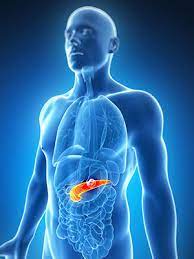
Pancreatic cancer begins in the tissues of your pancreas — an organ in your abdomen that lies behind the lower part of your stomach. Your pancreas releases enzymes that aid digestion and produces hormones that help manage your blood sugar.


Several types of growths can occur in the pancreas, including cancerous and noncancerous tumors. The most common type of cancer that forms in the pancreas begins in the cells that line the ducts that carry digestive enzymes out of the pancreas (pancreatic ductal adenocarcinoma).


Pancreatic cancer is seldom detected at its early stages when it's most curable. This is because it often doesn't cause symptoms until after it has spread to other organs.


Pancreatic cancer treatment options are chosen based on the extent of the cancer. Options may include surgery, chemotherapy, radiation therapy or a combination of these.

 Symptoms :- Signs and symptoms of pancreatic cancer often don't occur until the disease is advanced. They may include:

  1. Abdominal pain that radiates to your back
  2. Loss of appetite or unintended weight loss
  3. Yellowing of your skin and the whites of your eyes (jaundice)
  4. Light-colored stools
  5. Dark-colored urine
  6. Itchy skin
  7. New diagnosis of diabetes or existing diabetes that's becoming more difficult to control
  8. Blood clots
  9. Fatigue

When to see a doctor

See your doctor if you experience any unexplained symptoms that worry you. Many other conditions can cause these symptoms, so your doctor may check for these conditions as well as for pancreatic cancer. Treat to this cancer buy medication CA Medication Product 

Pancreatic  Cancer


Thursday, December 30, 2021

Causes, Stages and Risk of Breast Cancer

 Causes :- After puberty, a female’s breasts are made up of fat, connective tissue, and thousands of lobules. These are tiny glands that can produce milk. Tiny tubes, or ducts, carry the milk toward the nipple.

Breast cancer develops as a result of genetic mutations or damage to DNA. These can be associated with Trusted Source exposure to estrogen, inherited genetic defects, or inherited genes that can cause cancer, such as the BRCA1 and BRCA2 genes.

When a person is healthy, their immune system attacks any abnormal DNA or growths. When a person has cancer, this does not happen.

As a result, cells within breast tissue begin to multiply uncontrollably, and they do not die as usual. This excessive cell growth forms a tumor that deprives surrounding cells of nutrients and energy.

Breast cancer usually starts in the inner lining of the milk ducts or the lobules that supply them with milk. From there, it can spread to other parts of the body.

Stages

A doctor determines the stage of cancer according to the size of the tumor and whether it has spread to lymph nodes or other parts of the body.

There are different ways Trusted Source to stage breast cancer. One includes stages 0–4 with subcategories at each stage. Below, we describe each of these main stages. Substages can indicate specific characteristics of a tumor, such as its HER2 receptor status .breast cancer product availble to treatment breast cancer1

Stage 0: This is also called ductal carcinoma in situ. The cancerous cells are only within the ducts and have not spread to surrounding tissues.

Stage 1: At this stage, the tumor measures up to 2 centimeters (cm) across. It has not affected any lymph nodes, or there are small groups of cancer cells in lymph nodes.

Stage 2: The tumor is 2 cm across and has started to spread to nearby nodes, or it is 2–5 cm across and has not spread to the lymph nodes.

Stage 3: The tumor is up to 5 cm across and has spread to several lymph nodes, or the tumor is larger than 5 cm and has spread to a few lymph nodes.

Stage 4: The cancer has spread to distant organs, most often the bones, liver, brain, or lungs.

Risk factors

The following factors make developing breast cancer more likely, and some may be preventable.


NAVELBINE (vinorelbine) Injection contains vinorelbine tartrate, USP, salt of a semi-synthetic vina alkaloid.

Vinorelbine is used to treat various types of cancer. It is a chemotherapy drug that works by slowing or stopping cancer cell growth.it is treatment to breast cancer 

Symptoms of Breast cancer ?

The first symptom of breast cancer is usually an area of thickened tissue in the breast or a lump in the breast or an armpit.

Other symptoms include Trusted Source:

  • armpit or breast pain does not change with the monthly cycle
  • pitting, like the surface of an orange, or color changes such as redness in the skin of the breast

  • a rash around or on one nipple
  • discharge from a nipple, which may contain blood
  • a sunken or inverted nipple
  • a change in the size or shape of the breast
  • peeling, flaking, or scaling of the skin of the breast or nipple

Most breast lumps are not cancerous. However, anyone who notices a breast lump should have it checked by a healthcare professional.

Is breast cancer painful?

A lump or a mass in the breast is often Trusted

 Source one of the first signs of breast cancer. In many cases, these lumps are painless. A person may experience pain in the nipple or breast area that appears to be tied to their menstrual cycle.

Pain caused by breast cancer is typically gradual. Anyone who experiences breast pain, especially if it is severe or persistent, should consult a healthcare professional. Breast cancer product  available to treatment breast cancer  


Breast Cancer Product


Wednesday, December 29, 2021

Risk factor of Skin Cancer and drugs for skin cancer treatment

 Risk factors

Factors that may increase your risk of skin cancer include:

  • Fair skin. Anyone, regardless of skin color, can get skin cancer. However, having less pigment (melanin) in your skin provides less protection from damaging UV radiation. If you have blond or red hair and light-colored eyes, and you freckle or sunburn easily, you're much more likely to develop skin cancer than is a person with darker skin.
  • A history of sunburns. Having had one or more blistering sunburns as a child or teenager increases your risk of developing skin cancer as an adult. Sunburns in adulthood also are a risk factor.
  • Excessive sun exposure. Anyone who spends considerable time in the sun may develop skin cancer Product, especially if the skin isn't protected by sunscreen or clothing. Tanning, including exposure to tanning lamps and beds, also puts you at risk. A tan is your skin's injury response to excessive UV radiation.
  • Sunny or high-altitude climates. People who live in sunny, warm climates are exposed to more sunlight than are people who live in colder climates. Living at higher elevations, where the sunlight is strongest, also exposes you to more radiation.
  • Moles. People who have many moles or abnormal moles called dysplastic nevi are at increased risk of skin cancer. These abnormal moles — which look irregular and are generally larger than normal moles — are more likely than others to become cancerous. If you have a history of abnormal moles, watch them regularly for changes.
  • Precancerous skin lesions. Having skin lesions known as actinic keratoses can increase your risk of developing skin cancer. These precancerous skin growths typically appear as rough, scaly patches that range in color from brown to dark pink. They're most common on the face, head and hands of fair-skinned people whose skin has been sun damaged.
  • A family history of skin cancer. If one of your parents or a sibling has had skin cancer, you may have an increased risk of the disease.
  • A personal history of skin cancer. If you developed skin cancer once, you're at risk of developing it again.
  • A weakened immune system. People with weakened immune systems have a greater risk of developing skin cancer. This includes people living with HIV/AIDS and those taking immunosuppressant drugs after an organ transplant.
  • Exposure to radiation. People who received radiation treatment for skin conditions such as eczema and acne may have an increased risk of skin cancer, particularly basal cell carcinoma.
  • Exposure to certain substances. Exposure to certain substances, such as arsenic, may increase your risk of skin cancer.
ALS helps patients, doctors and hospitals as a facilitator to import prescription medicine brand Bavencio (Avelumab) on prescription and Import License in Patient’s Name only.these medicine use to treatment skin cancer


Skin cancer product


Causes of Skin Cancer ?

 Causes

Where skin cancer develops 

Where skin cancer develops Open pop-up dialog box

Skin cancer occurs when errors (mutations) occur in the DNA of skin cells. The mutations cause the cells to grow out of control and form a mass of cancer cells.


Cells involved in skin cancer

Skin cancer begins in your skin's top layer — the epidermis. The epidermis is a thin layer that provides a protective cover of skin cells that your body continually sheds. The epidermis contains three main types of cells:


  • Squamous cells lie just below the outer surface and function as the skin's inner lining.
  • Basal cells, which produce new skin cells, sit beneath the squamous cells.
  • Melanocytes — which produce melanin, the pigment that gives skin its normal color — are located in the lower part of your epidermis. Melanocytes produce more melanin when you're in the sun to help protect the deeper layers of your skin.

Where your skin cancer begins determines its type and your treatment options.

Ultraviolet light and other potential causes

Much of the damage to DNA in skin cells results from ultraviolet (UV) radiation found in sunlight and in the lights used in tanning beds. But sun exposure doesn't explain skin cancers that develop on skin not ordinarily exposed to sunlight. This indicates that other factors may contribute to your risk of skin cancer, such that treatment of skin cancer to treat Skin Treatment Product   available such as being exposed to toxic substances or having a condition that weakens your immune system.


Skin Cancer Product


What Is Skin Cancer And It's Type

 Overview

Skin cancer — the abnormal growth of skin cells — most often develops on skin exposed to the sun. But this common form of cancer can also occur on areas of your skin not ordinarily exposed to sunlight.


There are three major types of skin cancer — basal cell carcinoma, squamous cell carcinoma and melanoma.


You can reduce your risk of skin cancer by limiting or avoiding exposure to ultraviolet (UV) radiation. Checking your skin for suspicious changes can help detect skin cancer at its earliest stages. Early detection of skin cancer gives you the greatest chance for successful skin cancer treatment.


Types

  • Basal cell carcinoma
  • Melanoma
  • Nonmelanoma skin cancer
  • Squamous cell carcinoma of the skin

Skin cancer is an abnormal growth of skin cells. It generally develops in areas that are exposed to the sun, but it can also form in places that don’t normally get sun exposure. Buy skin cancer Product to treat skin cancer


Tuesday, December 28, 2021

How to diagnose to Ovarian cancer And Their Product Available for Treatment

How a pelvic exam is done

Pelvic examOpen pop-up dialog box

Tests and procedures used to diagnose ovarian cancer include:

  • Pelvic exam. During a pelvic exam, your doctor inserts gloved fingers into your vagina and simultaneously presses a hand on your abdomen in order to feel (palpate) your pelvic organs. The doctor also visually examines your external genitalia, vagina and cervix.
  • Imaging tests. Tests, such as ultrasound or CT scans of your abdomen and pelvis, may help determine the size, shape and structure of your ovaries.
  • Blood tests. Blood tests might include organ function tests that can help determine your overall health.
  • Your doctor might also test your blood for tumor markers that indicate ovarian cancer. For example, a cancer antigen (CA) 125 test can detect a protein that's often found on the surface of ovarian cancer cells. These tests can't tell your doctor whether you have cancer, but they may provide clues about your diagnosis and prognosis.
  • Surgery. Sometimes your doctor can't be certain of your diagnosis until you undergo surgery to remove an ovary and have it tested for signs of cancer.
  • Genetic testing. Your doctor may recommend testing a sample of your blood to look for gene changes that increase the risk of ovarian cancer. Knowing you have an inherited change in your DNA helps your doctor make decisions about your treatment plan. You may wish to share the information with your blood relatives, such as your siblings and your children, since they also may have a risk of having those same gene changes.

Once it's confirmed that you have ovarian cancer, your doctor will use information from your tests and procedures to assign your cancer a stage. The stages of ovarian cancer range from 1 to 4, which are often indicated with Roman numerals I to IV. The lowest stage indicates that the cancer is confined to the ovaries. By stage 4, the cancer has spread to distant areas of the body.

Alleviare Life Sciences provides options for choosing exporter and supplier of Cancer treatment Medicines under Named Patient Program India We take guarantee of quality and delivery anywhere in the world as per the buyer’s requirements.

The order for LYNPARZA (Olaparib) will be confirmed only after the receipt of valid prescription of doctor and import permit if applicable.


Ovarian Product available


what are risk factor of ovarian cancer

Factors that can increase your risk of ovarian cancer include:

Older age. The risk of ovarian cancer increases as you age. It's most often diagnosed in older adults.

Inherited gene changes. A small percentage of ovarian cancers are caused by genes changes you inherit from your parents. The genes that increase the risk of ovarian cancer include BRCA1 and BRCA2. These genes also increase the risk of breast cancer.

Several other gene changes are known to increase the risk of ovarian cancer, including gene changes associated with Lynch syndrome and the genes BRIP1, RAD51C and RAD51D.

Family history of ovarian cancer. If you have blood relatives who have been diagnosed with ovarian cancer, you may have an increased risk of the disease.

Being overweight or obese. Being overweight or obese increases the risk of ovarian cancer.

Postmenopausal hormone replacement therapy. Taking hormone replacement therapy to control menopause signs and symptoms may increase the risk of ovarian cancer.

Endometriosis. Endometriosis is an often painful disorder in which tissue similar to the tissue that lines the inside of your uterus grows outside your uterus.

Age when menstruation started and ended. Beginning menstruation at an early age or starting menopause at a later age, or both, may increase the risk of ovarian cancer.

Never having been pregnant. If you've never been pregnant, you may have an increased risk of ovarian cancer.

Alleviare Life Sciences provides Managed Access Program options for choosing exporter and supplier of Cancer treatment Medicines We take guarantee of quality and delivery anywhere in the world as per the buyer’s requirements.

The order for Rubraca (Rucaparib) Tablets will be confirmed only after the receipt of valid prescription of doctor and import permit if applicable.


overian cancer


Ovarian Cancer - Its Causes And Symptoms

 Symptoms

Locations of female reproductive organs

Female reproductive system Open pop-up dialog box

When ovarian cancer first develops, it might not cause any noticeable symptoms. When ovarian cancer symptoms happen, they're usually attributed to other, more common conditions.

ovarian cancer Product


Signs and symptoms of ovarian cancer may include:

  • Abdominal bloating or swelling
  • Quickly feeling full when eating
  • Weight loss
  • Discomfort in the pelvic area
  • Fatigue
  • Back pain
  • Changes in bowel habits, such as constipation
  • A frequent need to urinate

When to see a doctor

Make an appointment with your doctor if you have any signs or symptoms that worry you.

Causes

It's not clear what causes ovarian cancer, though doctors have identified things that can increase the risk of the disease. Their is treatment for ovarian cancer product available 

Doctors know that ovarian cancer begins when cells in or near the ovaries develop changes (mutations) in their DNA. A cell's DNA contains the instructions that tell the cell what to do. The changes tell the cells to grow and multiply quickly, creating a mass (tumor) of cancer cells. The cancer cells continue living when healthy cells would die. They can invade nearby tissues and break off from an initial tumor to spread (metastasize) to other parts of the body Drugs available for Named Patient Medicines.

Monday, December 27, 2021

Overian Cancer Type And Their Stages ?

 Stages

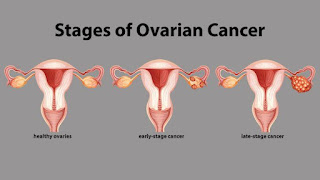
If a healthcare professional diagnoses ovarian cancer, they will need to determine the stage and grade to decide on a treatment plan.

The stage Trusted Source refers to how far the cancer has spread. For example:

  • Localized: Cancer cells affect only the ovaries or fallopian tubes and have not spread elsewhere.
  • Regional: Cancer has spread to nearby organs, such as the uterus.
  • Distant: Cancer is present elsewhere in the body. It now affects other organs, such as the lungs or liver.

The grade, meanwhile, refers to how abnormal the cancer cells appear.

Getting an early diagnosis usually means that treatment can be more effective. However, other factors can affect this.

These factors include the person’s age and overall health and the type or grade of the cancer cell, as some types are more aggressive than others.


 Buy Overian cancer Treatment Product


Types

There are over 30 types of ovarian cancer, depending on the type of cell in which they start.

There are three common cell types:

  • epithelial cells, which occur in the lining of the surface of the ovary
  • germ cells, which will become eggs for reproduction
  • stromal cells, which release hormones and link up the structures of the ovaries

Epithelial tumors are the most common and the most invasive. They occur in around 85–90% of people with ovarian cancer.

Germ cell tumors are often benign. In 90% of cases that become cancerous, treatment is effective.

Overian cancer Product is available to treat to treat this cancer. Buy medicine and order online Named Patient Medicines  


How to Treatment of Ovarian Cancer ?

 Treatment will depend on many factors, including:

  • the type, stage, and grade of the cancer
  • the individual’s age and overall health
  • their personal preferences
  • accessibility and affordability of treatment

Options tend to include Trusted Source:

Surgery: The choice will depend on the type of cancer and how far it has spread. Surgical options include a hysterectomy, removing one or both ovaries, and removing affected lymph nodes. A doctor will discuss suitable options with the individual.

Chemotherapy: These drugs aim to kill cancer cells. If a person takes chemotherapy drugs by mouth or as an injection or infusion, they will affect the whole body. Another option is intraperitoneal chemotherapy. In this case, a tube delivers the drug directly to the body area affected by cancer. Chemotherapy can have widespread adverse effects, especially if it affects the whole body.

Learn more about chemotherapy, including its adverse effects, here.

Targeted therapy: Some treatments target specific cells that help promote cancer growth. Examples include monoclonal antibody therapy and angiogenesis inhibitors. Targeted therapy aims to limit the adverse effects by targeting specific functions.

Radiation therapy: This technique uses X-rays to kills cancer cells. One way to do this is by introducing a radioactive liquid into the peritoneum. This may help people with advanced ovarian cancer buy medicine to treatment Imported Medicines In India.

Immunotherapy (biotherapy): This aims to boost the immune system’s ability to defend the body against cancer. Vaccine therapy involves injecting substances that will find and kill a tumor. It may help people with advanced ovarian cancer.

LYNPARZA is a prescription medicine used to treat adults who have advanced ovarian cancer, fallopian tube cancer, or primary peritoneal cancer with a certain type of inherited (germline) or acquired (somatic) abnormal BRCA gene.

LYNPARZA is used as maintenance treatment after the cancer has responded to your first treatment with platinum-based chemotherapy.


Lynparza available


What is ovarian cancer?

Overview about - Ovarian cancer refers to any cancerous growth that begins in the ovary. This is the part of the female body that produces eggs.

Ovarian cancer is now the fifth most common cause of cancer-related death among females in the United States. That said, deaths from ovarian cancer have been falling in the U.S. over the past 2 decades, according to the American Cancer Society Trusted Source (ACS).

The ACS estimate that in 2019, around 22,530 people may receive a diagnosis of ovarian cancer. Around 13,980 people are likely to die from this condition.

Alleviare Life sciences Pvt. Ltd. is a Pharma Consulting Companies specialized in providing medicines under Named Patient Program/Manage Access Program. Named Patient Program/ Manage Access Program is a program designed by the government of India and governments of many countries worldwide for patients who have exhausted the treatment options available in their respective countries and are in need of latest medicines that are available in countries of Europe and USA.

Read on to find out more about how to recognize the symptoms and what to expect if they occur.

Symptoms

Abdominal pain can be a symptom of ovarian cancer.

Most ovarian cancers start in the epithelium, or outer lining, of the ovary. In the early stages, there may be few or no symptoms.

If symptoms do occur, they can resemble those of other conditions, such as premenstrual syndrome, irritable bowel syndrome, or a temporary bladder problem. However, in ovarian cancer, the symptoms will persist and worsen.

Early symptoms may includeTrusted Source:

  • pain or pressure in the pelvis
  • unexpected vaginal bleeding
  • pain in the back or abdomen
  • bloating
  • feeling full rapidly when eating
  • changes in urination patterns, such as more frequent urination
  • changes in bowel habits, such as constipation

If any of these symptoms last for 2 weeks or more, a person should see a doctor.

There may also be:

  • nausea and indigestion
  • appetite loss
  • weight loss
  • breathlessness
  • fatigue
The maintenance treatment of adults with ovarian cancer, fallopian tube, primary peritoneal cancer whose cancer has come back and who are in response (complete or partial response) to a platinum-based chemotherapies. RUBRACA (RUCAPARIB) 300 MG TABLETS is used to treatment to Ovarian Cancer